
Recognize Warning Signals Before Costly Repairs
Stay Cool with Expert HVAC Insights
Unusual Sounds Coming from Your System
Your cooling system should operate with minimal noise beyond the gentle hum of airflow. When you start hearing grinding, squealing, banging, or rattling sounds, these acoustic warnings indicate mechanical components experiencing stress or failure. Grinding noises typically signal bearing problems within the motor assembly, while squealing often points to belt issues or motor bearing deterioration.
Banging sounds frequently indicate loose or broken internal components bouncing around during operation cycles. Rattling may suggest debris in the system or mounting hardware that has worked loose over time. Many homeowners in Salt Lake City dismiss these sounds as normal equipment aging, but these auditory signals represent your system communicating distress before complete failure occurs.
Addressing unusual sounds promptly prevents secondary damage to surrounding components and avoids the inconvenience of total system shutdown during peak cooling season.
Inconsistent Temperature Distribution Throughout Your Property
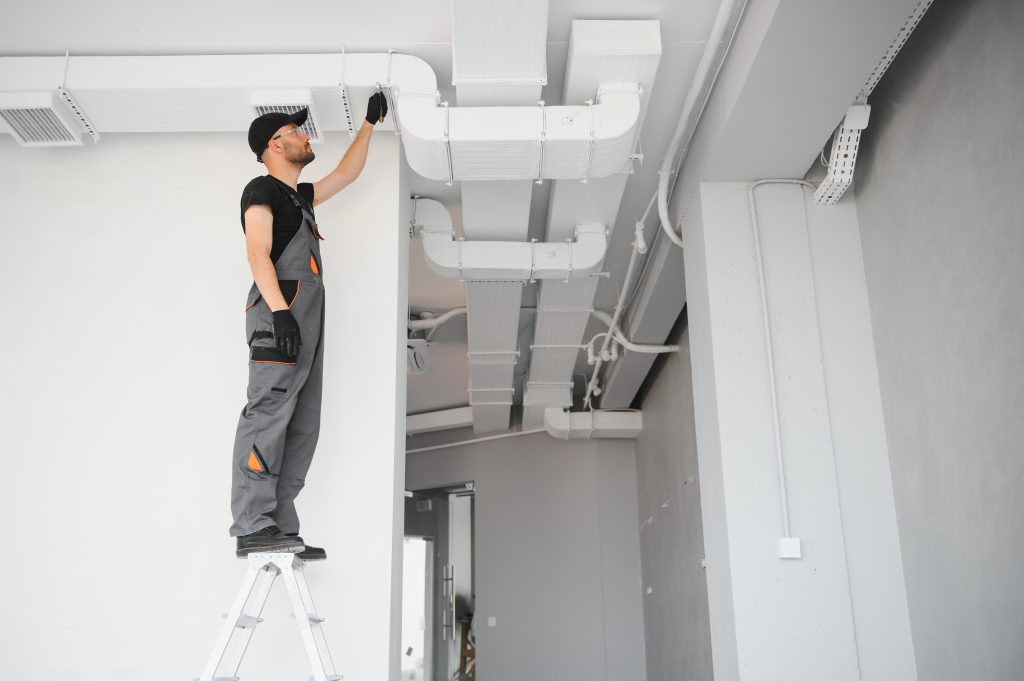
Temperature variations between rooms signal problems with airflow balance, ductwork integrity, or refrigerant levels within your climate control system. When certain areas feel comfortable while others remain stubbornly warm, the issue extends beyond simple thermostat settings. Blocked or leaking ductwork prevents conditioned air from reaching intended spaces, creating hot spots that no amount of thermostat adjustment can resolve. Refrigerant issues reduce overall cooling capacity, making distant rooms the first to suffer from inadequate temperature control.
Damper problems within your duct system can restrict airflow to specific zones, creating the same frustrating temperature disparities. During Utah’s intense summer months when temperatures regularly exceed ninety degrees, these inconsistencies become particularly noticeable and uncomfortable for occupants. Zoning issues might also indicate failing motors or capacitors unable to push sufficient airflow throughout the entire duct network.
Professional diagnostics identify the root cause rather than simply masking symptoms with constant thermostat adjustments that waste energy and fail to solve underlying problems.
Unexplained Increase in Utility Bills
Sudden spikes in energy consumption without corresponding changes in usage patterns reveal efficiency losses within your cooling equipment. When your system works harder to achieve the same temperature results, electrical demand increases proportionally, reflected directly in monthly utility statements. Refrigerant leaks force compressors to run longer cycles attempting to reach thermostat settings, dramatically increasing power consumption.
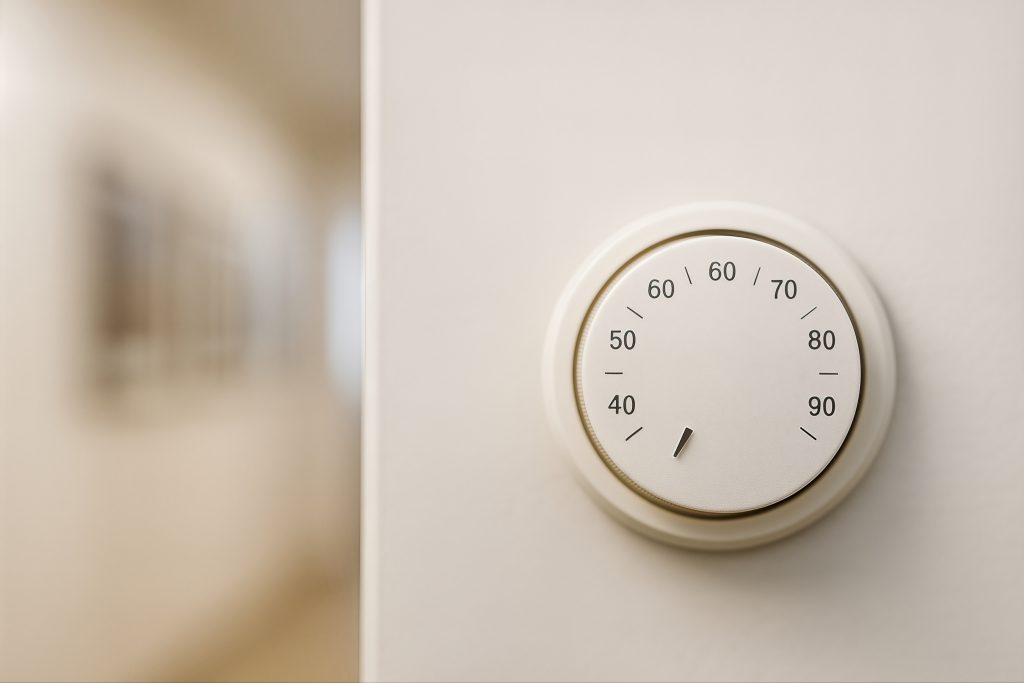
Dirty coils reduce heat transfer efficiency, requiring extended operation times to remove the same amount of thermal energy from your interior spaces. Aging capacitors fail to provide proper electrical support to motors, causing them to draw excessive current while delivering diminished performance. Thermostat calibration drift can cause systems to overcool spaces or run unnecessary cycles, wasting energy without improving comfort.
Filter restrictions force blower motors to work harder against increased resistance, consuming more electricity to move the same volume of air. Comparing current bills to previous years during similar weather conditions helps identify concerning trends that warrant professional investigation before efficiency losses compound into equipment failure.

Excessive Moisture or Water Accumulation
While cooling systems naturally produce condensation during operation, excessive moisture or pooling water indicates drainage problems requiring immediate attention. Condensate drain lines can become clogged with algae, mold, or debris, causing water to back up and overflow from the drain pan. When drainage systems fail, water may leak into surrounding structures, damaging ceilings, walls, and flooring while creating conditions favorable for mold growth.
Frozen evaporator coils resulting from airflow restrictions or refrigerant issues produce excessive water when they thaw, overwhelming drainage capacity. Cracked or disconnected drain pans allow water to escape containment and damage surrounding areas. High humidity levels inside your property despite running cooling equipment suggest the system cannot adequately remove moisture from the air, pointing to sizing issues or refrigerant problems.
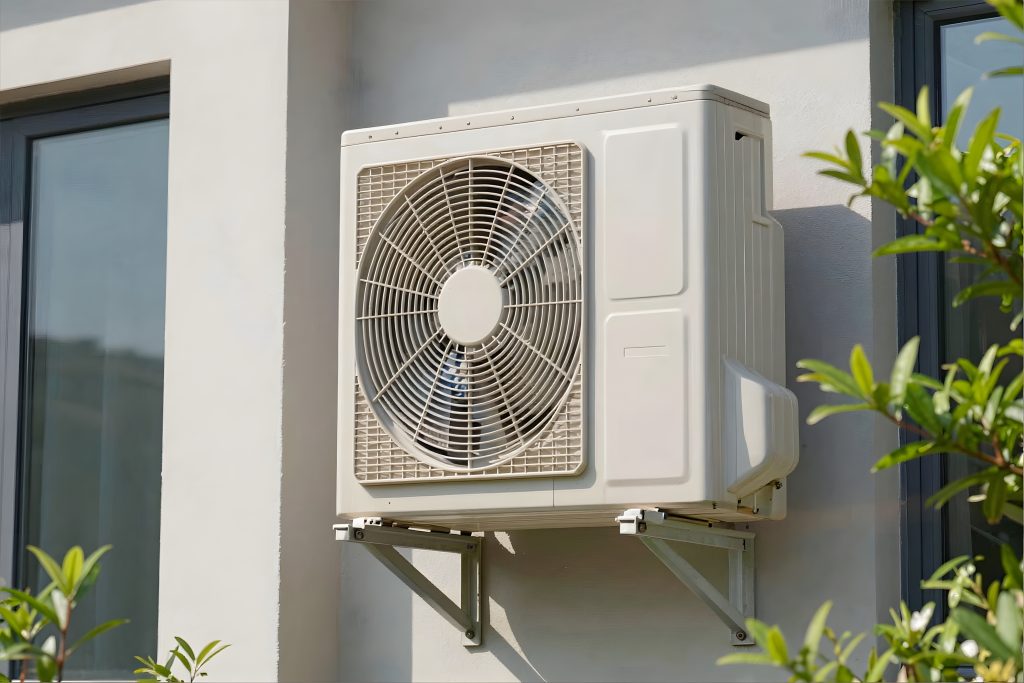
In Utah’s generally dry climate, indoor humidity problems become especially noticeable and uncomfortable when they do occur. Refrigerant leaks can create ice formation on components that later melts into problematic water accumulation. Professional service addresses both the immediate water issue and the underlying cause preventing future moisture problems and structural damage.
Frequent Cycling or Continuous Operation
Properly functioning cooling equipment follows predictable cycle patterns, running for consistent periods before shutting off once desired temperatures are achieved. Short cycling, where the system starts and stops repeatedly in brief intervals, indicates serious problems with components or system sizing. Oversized equipment cools spaces too quickly without adequate runtime to remove humidity, triggering rapid cycling that wears components prematurely.
Thermostat malfunctions send incorrect signals to the system, causing erratic operation patterns unrelated to actual temperature conditions. Refrigerant charge issues prevent the system from reaching proper operating pressures, triggering safety switches that interrupt normal cycles. Electrical problems with capacitors or contactors can cause starting difficulties that appear as frequent cycling attempts. Conversely, systems that run continuously without ever satisfying thermostat settings reveal insufficient capacity, refrigerant loss, or airflow restrictions preventing adequate cooling delivery.
During Salt Lake City’s hottest summer days, distinguishing between normal extended runtimes and problematic continuous operation requires understanding typical cycle patterns for your specific equipment. Both short cycling and continuous operation accelerate wear on electrical and mechanical components while consuming excessive energy without delivering proportional comfort benefits.
Professional diagnostics determine whether the issue stems from equipment problems, improper sizing, or external factors affecting system performance, allowing targeted solutions that restore normal operation patterns and extend equipment lifespan.
Several indicators help distinguish between routine maintenance needs and actual system failure. If your equipment produces unusual sounds like grinding or banging, experiences frequent cycling, or fails to maintain consistent temperatures throughout your property, these signal more serious problems beyond basic maintenance. Normal maintenance addresses routine wear such as filter replacements and coil cleaning, while system failure involves component breakdowns requiring repair or replacement. Rising utility bills without increased usage, water accumulation around the unit, or continuous operation without reaching desired temperatures all point toward failing components rather than simple maintenance neglect. Professional technicians can perform diagnostic testing to determine whether your system requires minor adjustments, thorough maintenance, or component repairs to restore proper function.
Temperature inconsistencies between rooms typically result from ductwork problems, airflow imbalances, or refrigerant issues affecting system capacity. Leaking or disconnected ducts allow conditioned air to escape before reaching intended spaces, leaving those areas warmer than others. Blocked vents or closed dampers restrict airflow to specific zones, creating hot spots that persist despite thermostat adjustments. Insufficient refrigerant charge reduces overall cooling capacity, with distant rooms suffering first from inadequate temperature control. Undersized equipment may cool areas closest to the air handler while failing to deliver sufficient cooling to remote locations. Insulation deficiencies in certain rooms can also overwhelm cooling capacity in those specific areas. Professional assessment identifies whether the problem stems from distribution issues within your duct network, equipment capacity limitations, or refrigerant levels requiring correction to achieve balanced temperatures throughout your property.
Contact a professional immediately when you notice refrigerant leaks, electrical issues, mechanical sounds indicating component failure, or water accumulation around your equipment. While homeowners can safely replace filters and clear debris from outdoor units, refrigerant handling requires specialized certification due to environmental regulations and safety concerns. Electrical repairs demand technical knowledge to prevent shock hazards and avoid damaging sensitive electronic controls. Unusual noises suggest internal mechanical problems that worsen with continued operation, making prompt professional intervention essential to prevent secondary damage. Water leaks may indicate drainage blockages or frozen coils requiring diagnosis beyond visual inspection. If your system runs continuously without cooling adequately or cycles on and off rapidly, these patterns signal problems requiring diagnostic tools and technical knowledge beyond typical homeowner capabilities. Attempting complex repairs without proper training often creates additional damage and voids manufacturer warranties, making professional service the prudent choice for anything beyond basic maintenance tasks.
The decision between repair and replacement depends on equipment age, repair costs, efficiency ratings, and expected remaining lifespan. As a general guideline, if repair costs exceed half the price of new equipment, or if your system has surpassed fifteen years of service, replacement often provides better long-term value. Older units operate at lower efficiency ratings compared to modern equipment, meaning higher utility costs throughout their remaining service life. Frequent repairs on aging equipment indicate multiple components nearing end of life, suggesting additional failures will likely occur soon after current repairs. Modern systems offer significantly improved energy efficiency, potentially reducing cooling costs by twenty to forty percent compared to units over a decade old. However, if your system is relatively young and requires only a single component repair, fixing the existing equipment makes financial sense. Professional technicians can provide replacement recommendations based on your specific situation, considering repair costs, equipment condition, efficiency improvements available with new systems, and your budget constraints to help you make an informed decision.
A refrigerant leak refers to the actual point where refrigerant escapes from the sealed system, while low refrigerant charge describes the resulting condition of insufficient refrigerant circulating through the equipment. Cooling systems are designed as sealed units that should never require refrigerant additions under normal operation. When refrigerant levels drop below proper charge specifications, a leak somewhere in the system has allowed refrigerant to escape over time. The leak might occur at connection points, within coils, or along refrigerant lines due to corrosion, vibration damage, or manufacturing defects. Low refrigerant charge produces symptoms including reduced cooling capacity, ice formation on evaporator coils, longer run times, and increased energy consumption. Simply adding refrigerant without locating and repairing the leak provides only temporary relief, as the refrigerant will continue escaping until the breach is properly sealed. Professional service includes leak detection using specialized tools, repair of the leak source, system evacuation to remove contaminants and moisture, and proper refrigerant charging to manufacturer specifications, ensuring lasting repairs rather than temporary fixes that allow problems to persist.
